

Understanding All-on-4 Dental Implants: A Comprehensive Overview for Turkey

All-on-4 dental implants represent a significant advancement in restorative dentistry, offering a comprehensive solution for individuals in Turkey seeking to replace all their upper or lower teeth. This method utilizes only four strategically placed implants to support a full set of artificial teeth, providing a stable and aesthetically pleasing result. Understanding the nuances of this procedure is crucial for anyone considering it.
The core principle behind All-on-4 lies in maximising the use of the jawbone. Unlike traditional full mouth implant procedures which might require more implants, All-on-4 leverages the full width of the jawbone to support the entire prosthesis. This approach is particularly beneficial for patients who may have experienced bone loss, as it can often be performed without extensive bone grafting. However, a sufficient amount of healthy bone is still a prerequisite for the procedure’s success.
The process typically begins with a detailed consultation and comprehensive assessment, including X-rays and 3D scans of the jaw. This allows the dental professional to precisely plan the placement of the four implants, ensuring optimal stability and function. The implants themselves are usually made of high-quality titanium, a biocompatible material known for its strength and ability to integrate with the jawbone.
Once the implant positions are determined, the surgical procedure takes place. This involves carefully placing the four implants into the jawbone. In some cases, bone grafting may be necessary to augment bone volume, although advancements in bone grafting techniques often minimise this requirement. Following placement, a period of osseointegration is required, typically ranging from three to six months. This is the crucial phase where the implants fuse with the jawbone, creating a solid foundation for the new teeth.
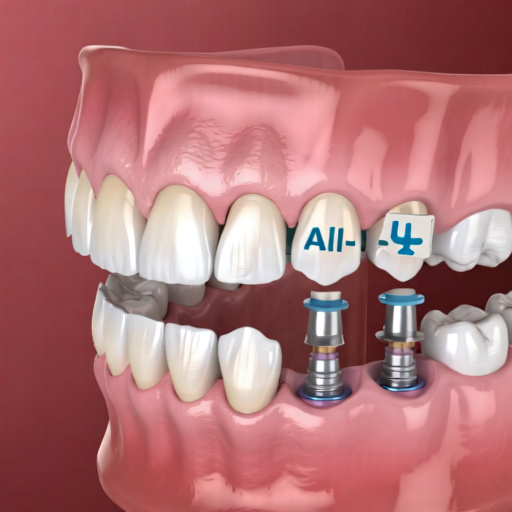
During the osseointegration period, temporary dentures are often fitted to maintain the patient’s smile and chewing function. Once osseointegration is complete, abutments – connectors between the implants and the final prosthesis – are attached. These abutments then serve as the anchor for the custom-designed full arch prosthesis. This prosthesis can be either a fixed bridge or removable dentures, both meticulously crafted to match the patient’s natural teeth in terms of appearance and function.
The benefits of All-on-4 implants are numerous. Patients often experience a renewed sense of confidence and improved quality of life with a complete set of functional teeth. The procedure offers a more cost-effective solution compared to traditional full mouth implant approaches, potentially requiring fewer implants and associated costs. Furthermore, All-on-4 can help prevent further bone loss and improve chewing efficiency. It’s important to note that while generally successful, the procedure requires careful planning and skilled execution by an experienced dental implant specialist.
Several factors can influence the suitability of All-on-4 implants. These include the patient’s overall oral health, the amount of available bone, and their general health conditions. A thorough evaluation by a qualified dental professional in Turkey is essential to determine if this treatment option is appropriate.
Key Considerations for All-on-4 in Turkey
- Experienced Clinician: Choosing a dentist with extensive experience in All-on-4 procedures is vital for optimal outcomes.
- Advanced Technology: Clinics utilizing 3D imaging and surgical guides can enhance precision and accuracy.
- High-Quality Implants: Opting for implants from reputable manufacturers ensures durability and biocompatibility.
- Post-operative Care: Following the dentist’s instructions diligently after surgery is crucial for proper healing.
- Cost Breakdown: Obtain a detailed cost estimate, including all stages of the procedure, from the dental clinic.
The All-on-4 Procedure: A Step-by-Step Guide and What to Expect
The All-on-4 procedure represents a significant advancement in full mouth dental implants, offering a cost-effective alternative to traditional full mouth implant techniques. This innovative approach allows individuals with severely damaged or missing teeth to regain a complete smile using just four strategically placed implants. Understanding the process, from initial consultation to final restoration, is crucial for anyone considering this life-changing treatment.
The journey with All-on-4 begins with a comprehensive evaluation. This typically involves a thorough dental examination, including medical history review, panoramic X-rays, and often 3D imaging such as a Cone Beam CT scan. These scans provide detailed information about the jawbone’s density, the position of existing teeth, and the overall health of the oral structures. The dentist will meticulously assess whether the patient has sufficient bone volume and density to support the implants. Bone grafting may be recommended if bone loss has occurred, and additional bone needs to be added to ensure implant stability.
Following the assessment, a detailed treatment plan is developed and discussed with the patient. This plan outlines the number and placement of implants, the type of prosthetic to be used (such as a fixed bridge or removable denture), and the expected timeline for the procedure. Patient expectations and concerns are addressed at this stage, ensuring a shared understanding of the treatment goals and potential outcomes.
The surgical phase of the All-on-4 procedure usually takes between two and four hours. Local anaesthesia is administered to ensure the patient’s comfort throughout the procedure. The dentist will then carefully drill pilot holes into the jawbone at precise locations. These holes serve as anchors for the four dental implants. Once the pilot holes are prepared, the implants are screwed securely into place.
A significant advantage of the All-on-4 procedure is its ability to provide immediate full-arch restoration. In many cases, temporary teeth or a provisional denture can be fitted immediately after the implants are placed. This allows the patient to regain a functional and aesthetically pleasing smile relatively quickly. The temporary restoration helps with chewing, speaking, and maintaining the appearance of a full smile while the implants fully integrate with the jawbone.
Osseointegration is a critical phase following the surgery. This is the process where the dental implants fuse with the surrounding jawbone, creating a stable and permanent foundation for the new teeth. This process typically takes several months, ranging from three to six months, depending on the individual’s healing rate and bone quality. During this time, the patient will need to follow specific post-operative instructions, which may include dietary restrictions and meticulous oral hygiene practices.
Once osseointegration is complete, the dentist will take impressions of the mouth to create the final, permanent dentures or fixed bridge. These prosthetics are custom-designed to match the patient’s natural teeth in terms of colour, shape, and size. The final restoration is then carefully fitted and adjusted to ensure optimal comfort, function, and aesthetics.
After the final restoration is in place, regular dental check-ups and maintenance are essential for the long-term success of the All-on-4 procedure. This includes routine cleanings and examinations to ensure the implants and prosthetics remain healthy and functional. With proper care, the results of an All-on-4 procedure can be long-lasting, providing patients with a renewed sense of confidence and improved quality of life.
Benefits of All-on-4 Implants in Turkey: Why Choose This Solution?
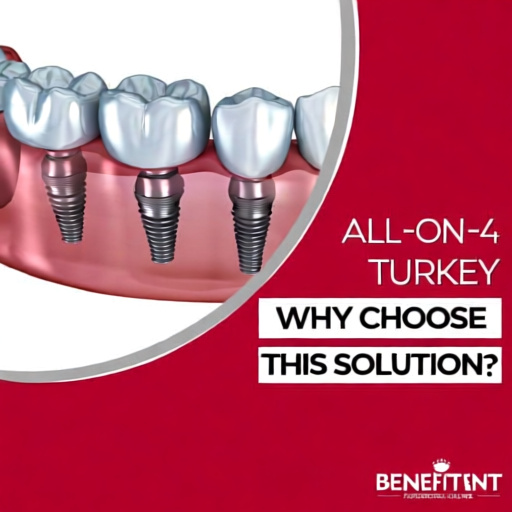
All-on-4 dental implants have rapidly gained prominence as a comprehensive solution for individuals seeking to restore all teeth in their upper and lower jaws. In Turkey, this technique offers a compelling blend of advanced dental care, skilled professionals, and cost-effectiveness, making it an increasingly popular choice for those with missing teeth. This section delves into the key advantages of opting for All-on-4 implants in Turkey.
One of the most significant benefits is the ability to replace an entire arch of teeth with just four implants. This contrasts with traditional full mouth restoration methods that often require a larger number of implants, potentially leading to higher costs and more invasive procedures. The All-on-4 method leverages the jawbone’s natural structure to provide robust support for a full set of artificial teeth, typically a denture or a fixed prosthesis. This minimally invasive approach can also translate to a shorter treatment time compared to other options.
The cost-effectiveness of All-on-4 implants in Turkey is a major draw for many international patients. The country boasts highly skilled dental professionals and state-of-the-art facilities at competitive prices. According to various reports, dental treatments in Turkey can be significantly less expensive than in many Western countries without compromising on quality. This affordability doesn’t mean sacrifices are made; Turkish dental clinics adhere to international standards and employ experienced surgeons and dental technicians.
Furthermore, Turkey has established itself as a hub for dental tourism, with numerous clinics specializing in implant dentistry. This concentration of expertise allows patients to choose from a wide array of highly qualified dentists with specific experience in All-on-4 procedures. Many clinics offer comprehensive packages that include initial consultation, 3D imaging, implant placement, and prosthesis fitting, streamlining the entire process for the patient.
The speed of treatment is another compelling advantage. While the exact duration varies depending on individual circumstances, the All-on-4 procedure can often be completed within a few weeks to a few months. This is significantly faster than traditional full mouth rehabilitation, which can take several months or even longer. For individuals eager to regain their smile and improve their quality of life, this quicker turnaround time is a significant benefit.
Successful All-on-4 implants in Turkey often result in a natural-looking and functional restoration. The artificial teeth are meticulously crafted to match the patient’s natural dentition in terms of colour, shape, and size. This ensures not only aesthetic appeal but also proper bite and chewing function. Patients can regain their ability to speak clearly, eat comfortably, and smile with confidence.
Finally, the advancements in surgical techniques and materials used for All-on-4 implants in Turkey contribute to their high success rate. Clinics typically utilise sophisticated 3D imaging and surgical guides to ensure precise implant placement, maximising osseointegration – the process where the implant fuses with the jawbone. This meticulous approach enhances the long-term stability and longevity of the implants.
Finding the Right Clinic and Dentist for All-on-4 in Turkey: A Practical Guide
Choosing the right clinic and dentist is a pivotal step when considering All-on-4 dental implants in Turkey. This section outlines the key factors to evaluate, guiding prospective patients through the process of finding a reputable and skilled provider. The decision involves more than just cost; patient safety, quality of work, and long-term results are paramount.
Researching Clinics and Dentists
The initial phase involves thorough online research. Start by exploring reputable directories and patient review platforms. Websites like Google Reviews, Trustpilot, and specialized dental implant directories offer valuable insights into clinic experiences. Pay close attention to the number of reviews and the overall star rating, but also delve into the content of the reviews. Look for consistent themes – positive or negative – regarding the clinic’s professionalism, communication, and the quality of treatment.
Beyond online platforms, consider the clinic’s website itself. A professional website should provide detailed information about the clinic’s services, the dentists’ qualifications and experience, before-and-after photos of patient cases, and clear contact information. Transparency is a good indicator of trustworthiness.
Evaluating Dentist Qualifications and Experience
The expertise of the dentist performing the All-on-4 procedure is crucial. Look for dentists who are board-certified in periodontology or oral and maxillofacial surgery. These specialisations indicate extensive training and a deep understanding of implant dentistry. Experience with All-on-4 procedures specifically is also vital. A dentist who performs this procedure frequently is likely to have refined their techniques and be better equipped to handle potential complications. Consider their years of practice and any specific certifications they hold related to implantology.
Assessing Clinic Facilities and Technology
A modern clinic equipped with advanced technology is often a sign of a commitment to high-quality care. Inquire about the types of diagnostic tools they utilise, such as 3D imaging (CBCT scans) and surgical guides. CBCT scans provide detailed three-dimensional images of the jawbone, allowing for precise implant placement. Surgical guides enhance accuracy during surgery, contributing to better outcomes. Furthermore, enquire about the clinic’s sterilization protocols and infection control measures, ensuring patient safety.
Understanding the Consultation Process
A comprehensive initial consultation is non-negotiable. During this consultation, the dentist should conduct a thorough examination, review your medical history, and discuss your treatment goals. They should explain the All-on-4 procedure in detail, including the steps involved, potential risks and benefits, and the expected timeline. A good dentist will take the time to answer all your questions thoroughly and address any concerns you may have. Be wary of clinics that rush the consultation or provide vague answers.
Considering Cost and Payment Options
While cost is a factor, it should not be the sole determinant of your choice. Compare prices from different clinics, but remember that the cheapest option isn’t always the best. Consider what is included in the price – implants, abutments, crowns, and any associated costs like consultations and follow-up appointments. Inquire about payment options and whether financing plans are available. A reputable clinic will be transparent about all costs upfront, avoiding hidden fees.
Language and Support
Communication is key throughout the entire process. If you don’t speak Turkish, ensure the clinic has English-speaking staff or provides translation services. Clear and effective communication will reduce stress and ensure you understand every aspect of your treatment.
Finding the right clinic and dentist for All-on-4 in Turkey requires careful research and due diligence. By focusing on qualifications, experience, technology, and communication, patients can significantly increase their chances of a successful and long-lasting outcome.
Costs of All-on-4 Dental Implants in Turkey: Budgeting and Financing Options
Considering all-on-4 dental implants in Turkey presents a financially attractive option for many seeking comprehensive smile restoration. The cost of this procedure can vary significantly depending on several factors, including the clinic’s location, the materials used, and the complexity of the case. Understanding these factors and available financing options is crucial for effective budgeting.
Generally, the average cost for an all-on-4 dental implant procedure in Turkey ranges from approximately €6,000 to €12,000. This broad range reflects the differing levels of experience and technology offered by various dental clinics. More established clinics in larger cities like Istanbul might command slightly higher prices compared to clinics in smaller towns. However, the overall cost is still significantly lower than in many Western European countries or North America, where the same procedure can easily cost €10,000 to €20,000 or more.
Several elements contribute to the overall price. The cost of the implants themselves is a primary factor. High-quality implants, typically made from titanium, are a significant investment. The price can fluctuate based on the brand and the manufacturer’s reputation. Additionally, the cost of the surgical procedure, including the dentist’s fees, anaesthesia, and any necessary pre-operative assessments like CT scans, will be factored in. The fabrication of the final prosthetic – the artificial teeth that will be attached to the implants – also contributes to the total expense. This can involve various materials like porcelain or zirconia, each with its associated cost.
Beyond the core procedure, additional costs may arise. These could include initial consultations, diagnostic tests, follow-up appointments, and potentially bone grafting if the patient’s bone density is insufficient to support the implants. It’s essential to inquire about all potential costs upfront to avoid any unexpected expenses. A detailed breakdown of the costs should be provided by the dental clinic before the procedure commences.
Understanding the Cost Breakdown
To provide a clearer picture, here’s a typical cost breakdown for an all-on-4 dental implant procedure in Turkey:
- Dental Implant Cost: €2,000 - €4,000 (depending on material and brand)
- Abutment Cost: €500 - €1,000
- Prosthetic (Fixed Dentures) Cost: €3,000 - €6,000 (depending on material – porcelain or zirconia)
- Surgical Fees: €1,000 - €2,000
- Anaesthesia Fees: €200 - €500
- Diagnostic Fees (CT Scan, etc.): €300 - €500
- Follow-up Appointments: €200 - €400 (for several months)
It’s worth noting that these figures are estimates and can vary. Obtaining personalised quotes from several clinics is highly recommended to compare prices and services.
Financing Options Available
For many individuals, the cost of an all-on-4 dental implant procedure can be a significant financial hurdle. Fortunately, various financing options are available to make this life-changing treatment more accessible.
- Direct Payment: This is the most straightforward option, involving paying the total cost upfront. While it requires a substantial initial outlay, it often allows for potential discounts offered by some clinics.
- Clinic-Specific Financing: Many dental clinics in Turkey offer their own financing plans. These plans often involve low or no upfront deposits and monthly payment schedules. Interest rates may vary, so it’s important to understand the terms and conditions.
- Credit Cards: Some credit cards offer 0% interest introductory periods, which can be a viable option for spreading the cost over time. However, be mindful of the interest rates that will apply after the introductory period ends.
- Medical Loans: Personal medical loans are another option available. These loans are specifically designed to cover healthcare expenses and often have more favourable terms than standard personal loans.
- International Financing Companies: Several international companies specialize in financing medical tourism procedures, including dental implants. They can offer competitive interest rates and flexible repayment plans.
It is advisable to carefully compare the terms and conditions of each financing option before making a decision. Consider factors such as interest rates, fees, repayment periods, and any potential penalties for early repayment. Consulting with a financial advisor can also be beneficial in determining the most suitable financing strategy.
Post-Operative Care and Recovery: Ensuring Successful All-on-4 Implants in Turkey
The period following an All-on-4 implant procedure in Turkey is crucial for the long-term success of the dental implants. Effective post-operative care plays a significant role in ensuring proper healing, minimising discomfort, and achieving the desired aesthetic and functional outcomes. This section outlines the essential aspects of recovery, what to expect, and the steps patients need to take to optimise their healing journey.
Immediately after the surgery, patients will receive specific instructions from their dental implant team. These typically include managing pain, controlling swelling, and maintaining good oral hygiene. Pain management usually involves prescribed medication, and ice packs applied to the face can help reduce swelling. It’s vital to adhere strictly to these initial instructions.
The first few days are critical for the initial healing process. Patients are generally advised to maintain a soft diet, avoiding hard or crunchy foods that could put stress on the implanted teeth. Gentle rinsing with a prescribed antiseptic mouthwash is also important to prevent infection. It’s common to experience some degree of discomfort and minor swelling during this phase, which usually subsides gradually.
Over the following weeks, the healing process continues. Bone integration with the titanium implants, known as osseointegration, begins. This process, which can take several months, is fundamental to the stability and longevity of the implants. Patients will likely have follow-up appointments with their dentist to monitor healing and assess the stability of the implants. These appointments allow the dental team to identify and address any potential complications early on.
Maintaining meticulous oral hygiene during the recovery period is paramount. This involves brushing gently with a soft-bristled toothbrush and flossing carefully to remove plaque and food debris. Special attention should be paid to the areas around the implants. The dental team may recommend specific oral hygiene tools or techniques to facilitate this. For instance, interdental brushes can be helpful in cleaning around the implants.
Diet plays a vital role in the healing process. A balanced and nutritious diet rich in vitamins and minerals supports tissue repair. Patients are encouraged to gradually introduce more solid foods as healing progresses, avoiding anything too chewy or hard. Staying hydrated by drinking plenty of water is also essential.
It’s important to avoid certain activities during the recovery period. Strenuous exercise and heavy lifting should be avoided for a few weeks to allow the implants to stabilise. Smoking is strongly discouraged as it can significantly impair healing and increase the risk of implant failure. Alcohol consumption should also be limited.
Potential complications, although rare, can occur. These might include infection, swelling, or nerve irritation. If patients experience any unusual symptoms, such as excessive pain, persistent swelling, or signs of infection (fever, pus), they should contact their dental provider immediately. Early intervention can prevent minor issues from becoming more serious.
Regular check-ups with the dentist are essential throughout the healing process. These appointments allow the dentist to monitor the implants’ stability, assess gum health, and address any concerns. These follow-up visits are a cornerstone of ensuring the long-term success of the All-on-4 implants. The dental team will typically schedule these appointments at regular intervals, which may extend over several months.
Proper post-operative care is not merely about managing immediate discomfort; it’s an investment in a lifetime of confident smiles and improved oral health. By diligently following the dentist’s instructions and maintaining excellent oral hygiene, patients can maximise the chances of a successful and long-lasting All-on-4 implant restoration in Turkey.
Frequently Asked Questions
- What are All-on-4 dental implants?
All-on-4 dental implants are a procedure that uses four strategically placed implants to support a full denture, replacing all the teeth in either the upper or lower jaw.
- How do All-on-4 implants benefit patients with bone loss?
All-on-4 implants utilise the full width of the jawbone, making them suitable for patients who have experienced some bone loss. Extensive bone grafting may not be necessary in these cases.
- How long does the All-on-4 implant process take?
The All-on-4 process typically involves a consultation, surgery, and an osseointegration period of 3 to 6 months. After this, the final prosthetic teeth are placed.
- What are the options for the final prosthesis?
The final prosthesis can be either a fixed bridge or removable dentures, both designed to look and function like natural teeth.