


Professional Teeth Whitening Antalya Turkey
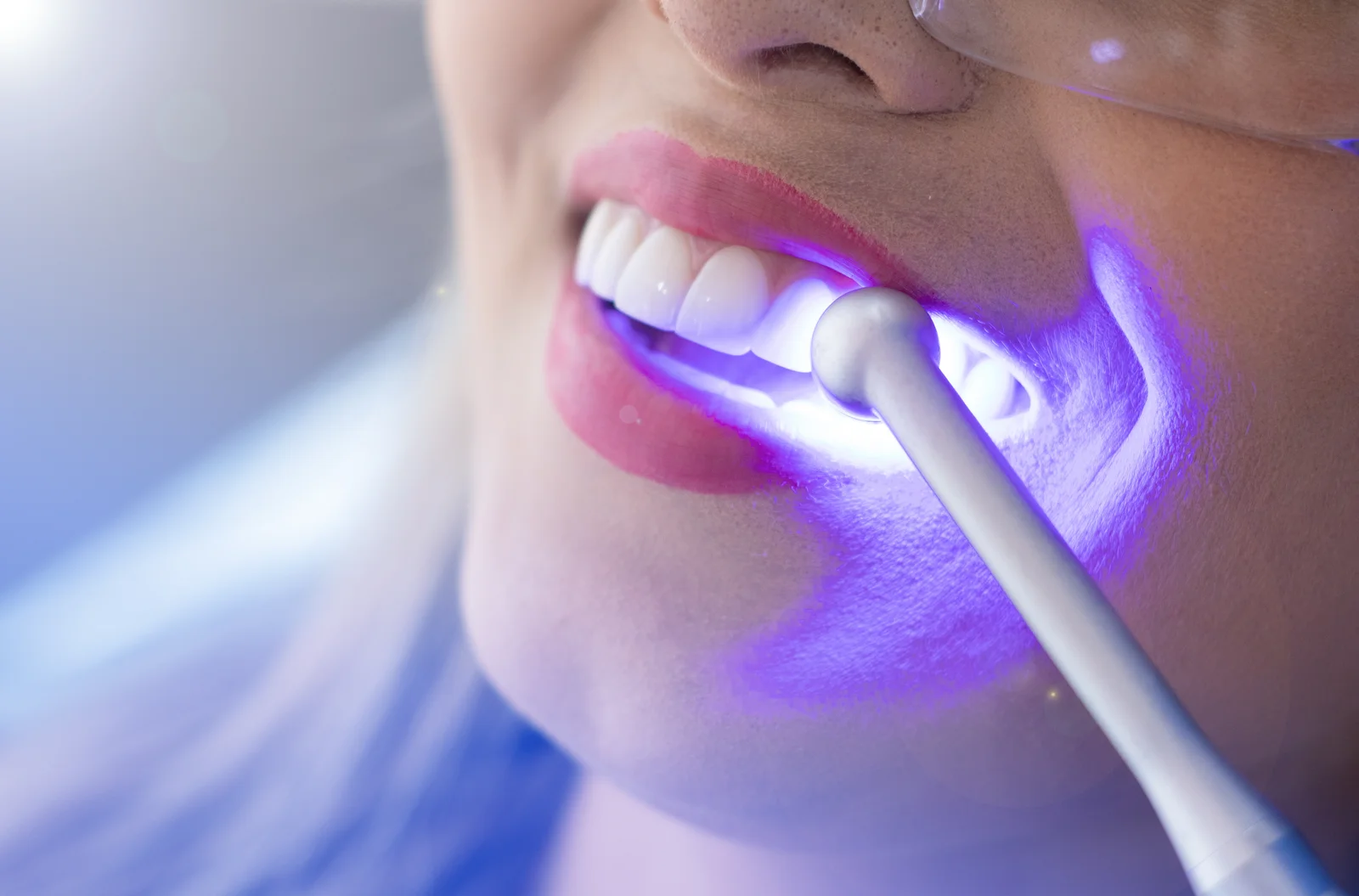
What Is Teeth Whitening?
Teeth whitening is a cosmetic dental treatment that lightens teeth by breaking down stain molecules. It targets natural tooth structure. It works best on extrinsic stains from coffee, tea, red wine, or tobacco. It can also help with age-related darkening.
Expectation control: Whitening does not change the color of crowns, veneers, or fillings. When visible restorations exist, a shade strategy is planned accordingly.
Why Choose Dentist-Supervised Whitening?
Whitening agents are active chemicals. A dentist-supervised pathway provides:
- Suitability screening (cavities, gum condition, exposed roots)
- Gum protection and controlled gel application for clinic protocols
- Sensitivity management plan aligned to your risk profile
- Clear maintenance guidance to protect results long-term
Candidate Criteria
You may be suitable when:
- Teeth and gums are healthy (no untreated decay, stable gums)
- Primary concern is staining or generalized discoloration
- Goal is a conservative aesthetic upgrade without changing tooth shape
Whitening is typically deferred when:
- Active gum disease or untreated cavities exist
- Cracks, leaking fillings, or exposed root surfaces elevate sensitivity risk
- Pregnancy/breastfeeding policies require postponement (clinic protocol)
- Under-18 cases require strict clinical discretion (policy-based)
Whitening Options
Option A) Clinic-Based Whitening (Fast Track)
- Delivered at the clinic with soft-tissue protection
- Often one appointment (about 60–120 minutes, protocol dependent)
- Best fit for patients requesting immediate visible improvement under supervision
Option B) Dentist-Supervised Take-Home Trays (Controlled, Gradual)
- Custom trays engineered for your dentition
- Worn as prescribed for approximately 2–6 weeks
- Best fit for patients preferring gradual shade change with controlled sensitivity
Treatment Journey (Step-by-Step)
- Clinical check: Teeth & gums assessed for suitability during consultation
- Shade mapping: Baseline shade recorded for measurable progress
- Whitening delivery: Clinic session or tray protocol initiated
- Sensitivity control: Desensitizing strategy applied when required (case-dependent)
- Review: Post-treatment evaluation plus maintenance plan
Results & Longevity
Outcomes depend on stain type, baseline shade, and daily habits. Results are not permanent. With a planned maintenance routine, effects may last about ~3 years on average. This varies by diet, smoking, hygiene, and top-up routine.
Longevity drivers:
- Smoking status
- Coffee/tea/red wine frequency
- Oral hygiene standards and professional cleanings
- Top-up cadence guided by clinical review
Safety, Risks & Side Effects
Most common side effect: temporary tooth sensitivity.
Secondary effect: mild gum irritation when gel contacts soft tissue (risk reduced with barriers and correct protocol).
Overuse or frequent, unsupervised whitening can increase sensitivity and irritate soft tissue. This is why supervised, controlled scheduling matters.
Aftercare Protocol
During the first 48 hours: minimize strong staining exposure (coffee/tea/red wine, tobacco) and follow dietary guidance.
Ongoing: routine hygiene, periodic professional cleaning, and planned top-ups when shade stability declines.
Cost Drivers (Transparent Scope)
Pricing depends on:
- Clinic-based protocol vs take-home trays
- Baseline shade and stain severity
- Sensitivity management requirements
- Whether a hygiene session is recommended before whitening